
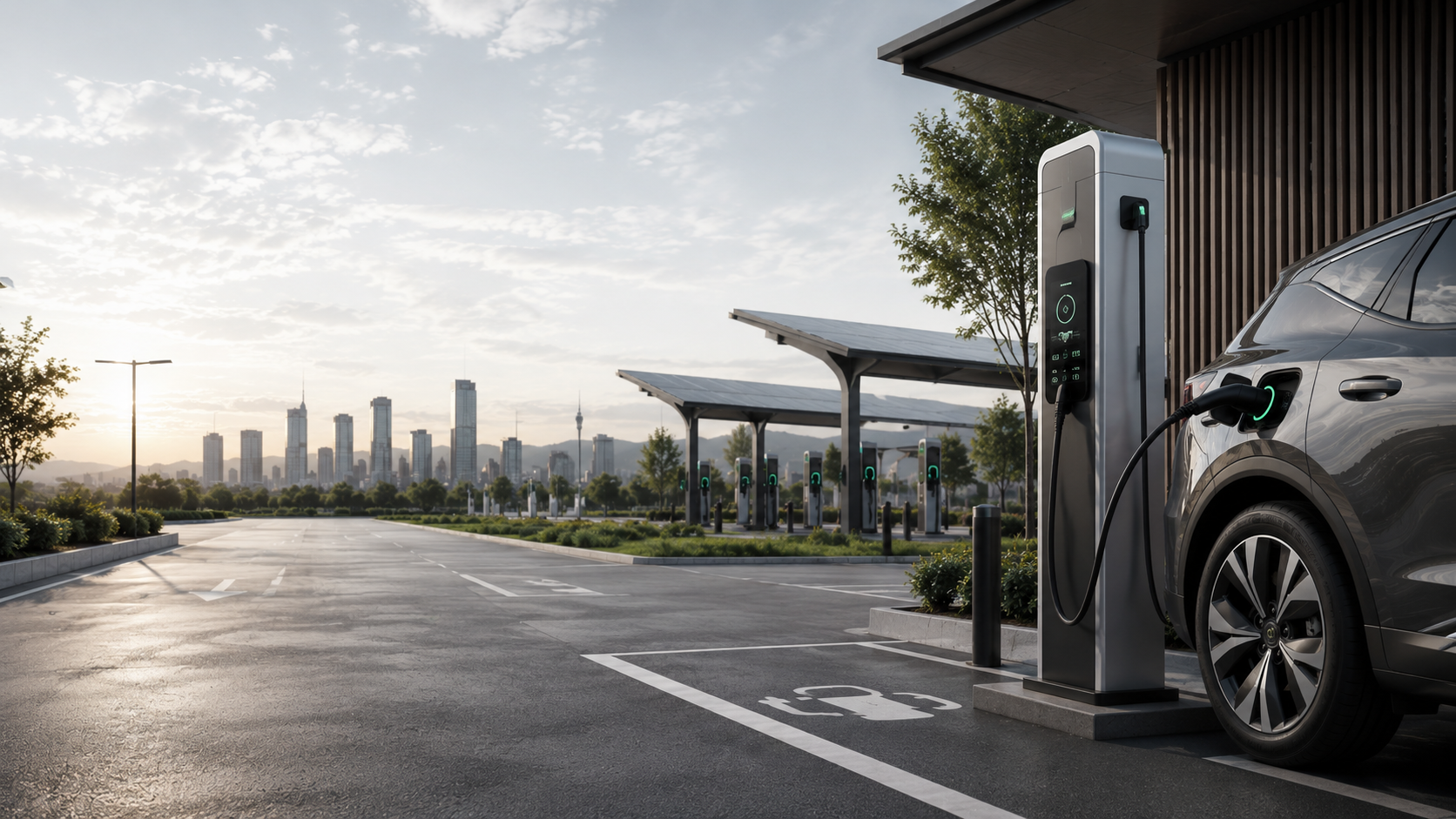
Charging an electric vehicle is not just about plugging in a cable. Available power, the building's electrical installation, the type of vehicle, charging frequency and future needs must all be considered to achieve a safe, convenient and long-lasting solution.
A well-designed IRVE installation makes it possible to adapt charging to real needs, protect the electrical installation and improve everyday convenience. In this guide, we explain the role of a charging station, the main power levels available, the installation process and the criteria to check before starting a project.
IRVE in 30 seconds
What Is an IRVE Charging Station?
IRVE stands for “Electric Vehicle Charging Infrastructure”. This term covers the equipment and electrical installation required to charge an electric or plug-in hybrid vehicle under conditions suited to this purpose.
A charging station is designed to communicate with the vehicle and deliver energy in a controlled way. Unlike a standard household outlet used occasionally, it is intended for regular charging, sometimes over long periods and at higher power levels, with dedicated electrical protection and specific features.
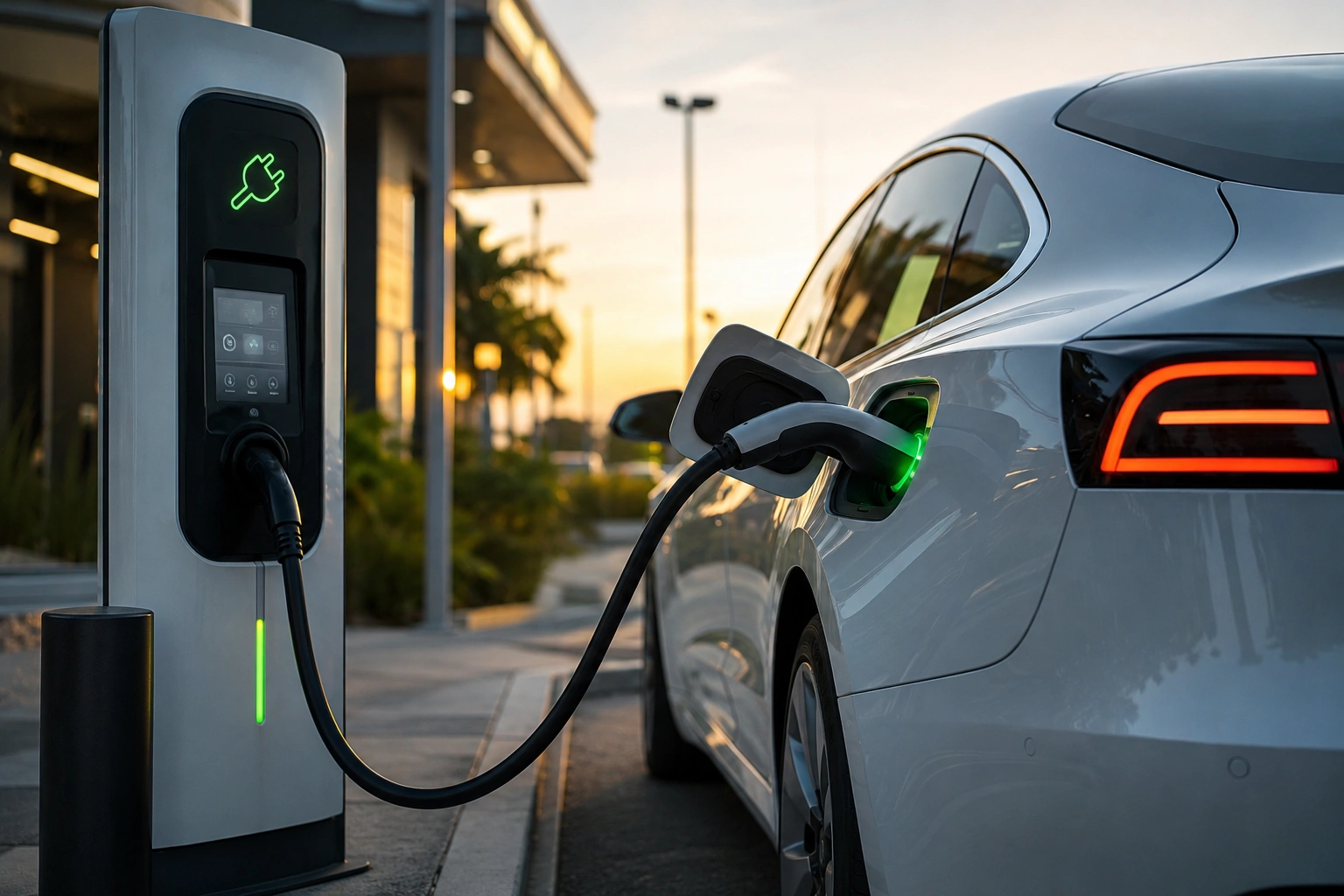
Charging stations can be installed in a single-family home, apartment building, company car park, shop, hotel, vehicle fleet or any other site hosting electric vehicles.
How does electric vehicle charging work?
When a vehicle is connected, the charging station and the vehicle exchange information to authorize and control charging. The actual power used depends on several factors: onboard charger capacity, charging station power, electrical service and the building's available capacity.
Connection
The vehicle is connected to the charging station with a compatible cable.
Control
The charging station checks safety conditions before allowing charging.
Charging
Energy is delivered according to the available power and what the vehicle can accept.
End of charging
Power decreases or stops when the battery reaches the target level.
Some charging stations also include scheduling, load management, energy monitoring, user identification or remote management features. These functions become particularly useful when several vehicles need to be charged at the same location.
3.7 kW, 7.4 kW, 11 kW, 22 kW: Which power level should you choose?
A charging station's power directly affects charging speed, but choosing the highest value is not always necessary. You should consider the time available between trips, the vehicle's capacity and the electrical power actually available on site.
| Power | Typical supply | Usage profile | Key takeaway |
|---|---|---|---|
| 3,7 kW | Single-phase | Long charging time, moderate needs | May be sufficient when the vehicle remains parked for several hours. |
| 7,4 kW | Single-phase | Home and daily use | A common balance between charging convenience and available power. |
| 11 kW | Three-phase | Heavy and professional use | Requires a compatible vehicle and electrical installation. |
| 22 kW | Three-phase | Faster vehicle turnover | Useful when the vehicle accepts this power level in AC charging. |
Key takeaway : a 22 kW charging station will not necessarily charge four times faster than a 7.4 kW station. Actual speed also depends on the maximum power accepted by the vehicle and the available electrical installation.
Why install a charging station instead of using a standard outlet?
For a regularly used vehicle, a dedicated charging station primarily provides greater safety, convenience and control over charging. It also makes it easier to adapt available power to driving habits.
Faster Charging
A suitable charging station generally allows you to recover more driving range while the vehicle is parked.
Safe installation
The circuit, protection and sizing are specifically designed for charging the vehicle.
Scheduled Charging
Depending on the equipment, charging can start at set times or during the most suitable periods.
Power management
Energy management can adjust charging to avoid exceeding the power available in the building.
A good IRVE installation should be sized for today's vehicle while taking tomorrow's usage and possible developments into account.
How is a charging station installed?
Before installation, the existing electrical system must be assessed. The goal is to check available power, the condition of the electrical panel, the distance to the charging point and routing constraints.
Needs assessment
Vehicle type, daily mileage, parking time, desired power and possible future needs.
Electrical assessment
Inspection of the electrical panel, power supply, available capacity and cable route to the charging station.
System sizing
Selection of the power level, protection, cable and management options suited to the site.
Installation and connection
Installation of the charging station, cable routing, connection to the electrical panel and fitting the required protection.
Testing and commissioning
Functional testing, charging tests, configuration and an explanation of the charging station's use for the customer.

Cable distance, available power, protection, location and energy management directly affect the quality of the installation.
How do you choose the right charging station?
The right choice depends on the situation. Someone who drives only a few kilometres and charges overnight does not have the same needs as a professional who needs several vehicles ready to leave quickly.
5 points to check
- 01
Vehicle-supported charging power: check the maximum charging power actually supported.
- 02
Single-phase or three-phase installation : it affects the available power levels.
- 03
Distance to the electrical panel : the cable route can affect system sizing and installation costs.
- 04
Smart features : scheduling, monitoring, load management, badge access or remote management.
- 05
Future expansion : a second vehicle, fleet, solar panels or changing mobility habits.
A preliminary assessment helps avoid an oversized charging station, unnecessarily slow charging or additional work after installation. The goal is to find the right balance between convenience, safety, cost and scalability.
IRVE Charging Stations for Businesses, Shops and Fleets
In a professional environment, the issue is no longer limited to a single car. It is often necessary to manage multiple charging points, distribute available power, identify users and anticipate the growth of the vehicle fleet.
Plan the infrastructure before multiplying charging stations
A well-designed architecture makes it possible to distribute power intelligently between vehicles, reduce pressure on the electrical installation and prepare for additional charging points.
- Company vehicle fleets
- Employee and visitor car parks
- Shops, hotels and public-access facilities
- Multi-user management
- Gradual infrastructure expansion
When several charging stations operate at the same time, dynamic power management can become essential. It adapts charging to the building's available capacity instead of systematically sizing the installation for the theoretical maximum power of every charging station.
IRVE Charging Station Safety, Inspection and Maintenance
A charging station is electrical equipment used regularly and often installed outdoors or in a car park. Its proper operation therefore depends as much on the quality of the initial installation as on ongoing maintenance and monitoring.
If a problem occurs, the diagnosis should check not only the charging station but also the power supply, protection, wiring, power settings and the vehicle. A methodical approach prevents unnecessary equipment replacement when the source of the fault lies elsewhere in the installation.
A Well-Chosen IRVE Charging Station Makes Everyday Charging Simpler, Safer and Better Suited to Your Needs
The charging station's power is important, but it should never be considered in isolation. The vehicle, electrical installation, driving habits and future needs must all be assessed together.
A properly prepared project provides convenient charging, reduces strain on the building's electrical network and delivers an installation capable of evolving with new needs.